How to Choose an HVLP Paint Sprayer
Choosing the right HVLP paint sprayer depends on the coatings you plan to spray, the size of your projects and the finish quality you need. HVLP systems are especially popular for cabinets, furniture, doors, trim and millwork because they provide excellent control and can produce a highly refined finish.
When comparing turbine HVLP systems, consider turbine power, number of stages, spray gun configuration and the air cap or needle sizes available for the coatings you use.
Understanding HVLP Turbine Stages
Turbine stages are an important consideration when comparing HVLP spray systems. In general, higher-stage turbines can produce greater air pressure, helping atomize more demanding coatings and reducing the amount of thinning that may be required.
Lower-stage systems can be excellent for stains, clear finishes and many lower-viscosity coatings, while more powerful multi-stage turbines provide greater flexibility for professional finishers spraying a wider range of materials.
The coating, air cap selection and manufacturer recommendations should always be considered alongside turbine power.
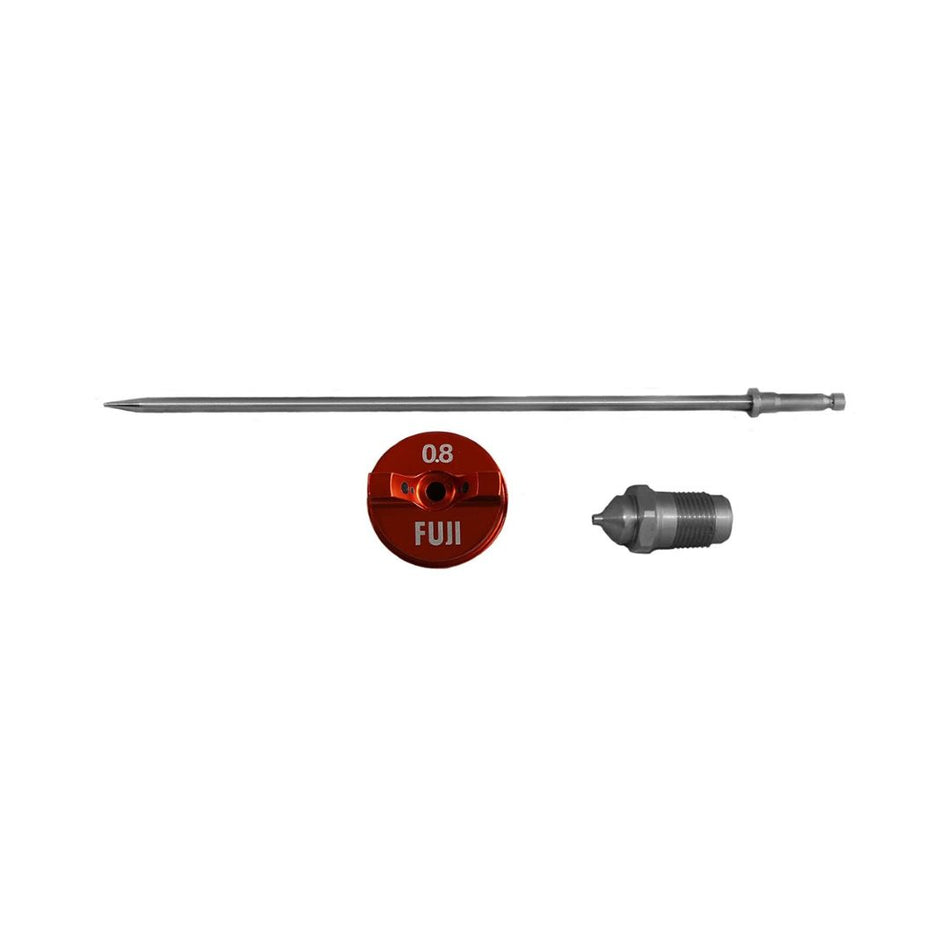
The needle, nozzle and air cap work together to control material flow and atomization. Different coatings require different setups based on their viscosity and the finish you're trying to achieve.
Smaller setups are generally used for lower-viscosity materials and finer applications, while larger setups allow heavier coatings to flow through the spray gun more effectively.
Always consult the spray equipment manufacturer's recommendations when selecting a needle or air cap for a particular coating.
Coating Viscosity and Thinning
HVLP performance depends heavily on coating viscosity. Some stains, clear finishes and specialty coatings may spray with little or no modification, while heavier paints and finishes may require a more powerful turbine, a different air cap setup or thinning where permitted by the coating manufacturer.
Avoid assuming that every coating should be thinned. Always follow the coating manufacturer's technical data and application instructions before modifying a product.
Gravity-Feed vs Bottom-Feed HVLP Spray Guns
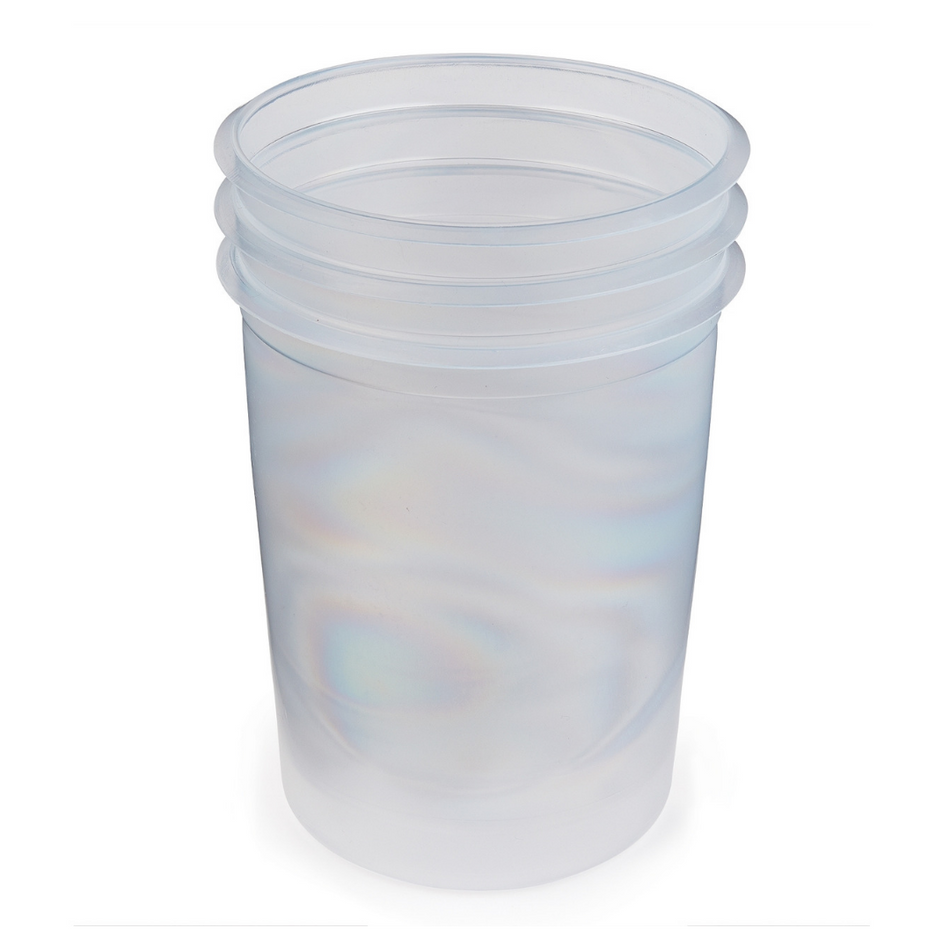
Gravity-feed spray guns position the material cup above the gun and use gravity to help feed coating into the fluid passage. Their compact design can be particularly convenient for cabinets, furniture and detailed finishing.
Bottom-feed guns position the cup below the spray gun and can provide greater material capacity depending on the system. They are a popular choice for larger finishing projects where frequent refilling may be less desirable.
Both configurations can produce excellent finishes. The better choice depends primarily on your workflow, material volume and personal preference.
Turbine Power and Atomization
A more powerful HVLP turbine can provide greater flexibility when spraying higher-viscosity coatings. Increased turbine output can help achieve proper atomization while potentially reducing the amount of thinning required.
However, turbine power alone does not determine finish quality. Air cap selection, material viscosity, spray gun adjustment, distance from the surface and spraying technique all contribute to the final result.
Are HVLP Sprayers Good for Cabinets and Furniture?
HVLP spray systems are particularly well suited to cabinets, furniture, doors, trim and millwork where control and finish quality are priorities.
Their controlled spray pattern can make it easier to work on detailed surfaces while minimizing unnecessary overspray compared with higher-production spraying methods. Selecting the correct turbine, air cap and coating setup remains important for achieving consistent atomization and finish quality.
HVLP vs Airless Paint Sprayers
HVLP and airless sprayers can both produce professional results, but they are designed around different priorities.
HVLP systems emphasize control and fine atomization and are commonly used for cabinets, furniture, millwork and other fine-finish applications. Airless sprayers generally provide substantially higher production rates, making them well suited to walls, ceilings, exteriors and larger painting projects.
For some professional fine-finish applications, an airless sprayer equipped with an appropriate fine-finish tip can also deliver excellent results. The best system depends on the coating, project size, required production rate and desired finish.
Shop Professional HVLP Paint Sprayer Brands
Fuji Spray specializes in turbine HVLP systems for woodworking, cabinet finishing and professional spray applications. Its lineup ranges from accessible two-stage systems through powerful multi-stage turbines designed for demanding finishing applications.
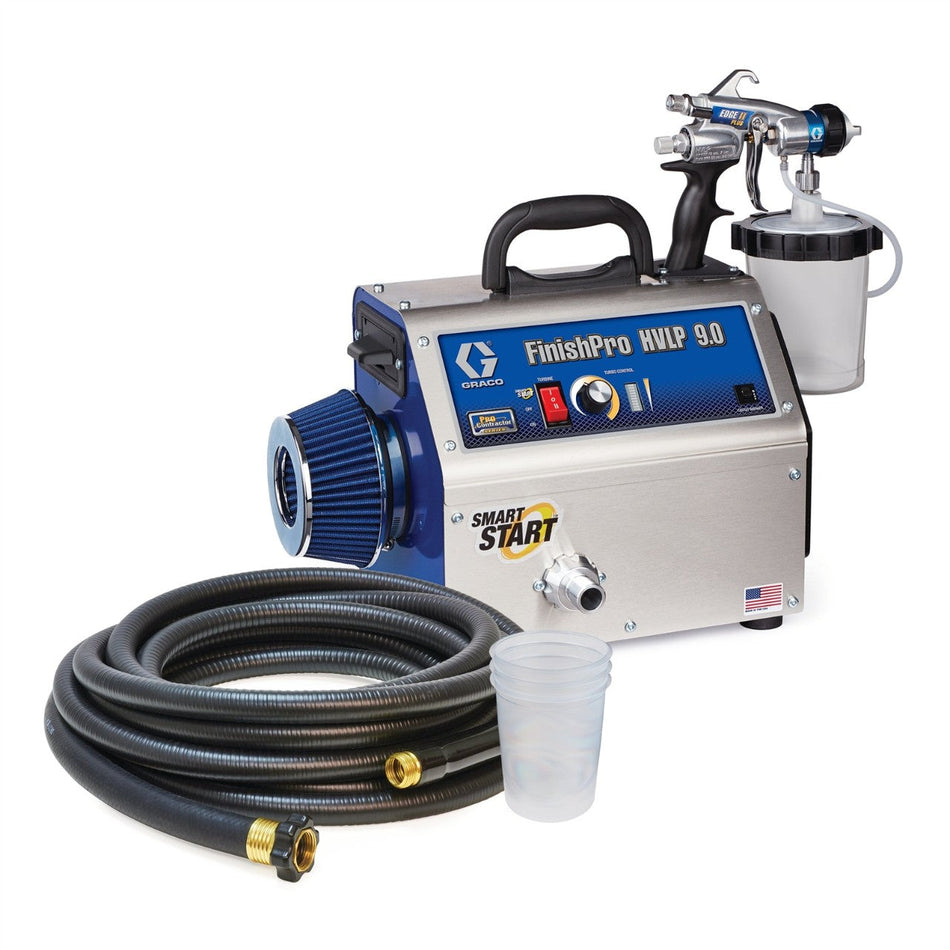
Graco FinishPro HVLP systems are designed for professional fine-finish applications and combine portable turbine systems with professional spray gun technology for contractors working on cabinets, doors, trim and other finished surfaces.
Titan CapSpray HVLP systems are designed for professional finishing applications, with multi-stage turbine options capable of handling a range of coatings and project requirements.
HVLP Paint Sprayer FAQs
What does HVLP mean?
HVLP stands for High Volume Low Pressure. HVLP spray equipment uses a high volume of air at relatively low pressure to atomize coating at the spray gun, providing excellent control for fine-finish applications.
What is an HVLP paint sprayer best used for?
HVLP paint sprayers are commonly used for cabinets, furniture, doors, trim, millwork and woodworking projects where spray control and finish quality are important.
How many turbine stages do I need in an HVLP sprayer?
The appropriate number of turbine stages depends largely on the coatings you plan to spray. More powerful multi-stage turbines generally provide greater pressure and flexibility when atomizing higher-viscosity coatings, while less demanding materials may not require as much turbine power.
Can you spray latex paint with an HVLP sprayer?
Some HVLP systems can spray latex and other water-based architectural coatings, but performance depends on turbine output, coating viscosity and the needle or air cap setup. Some coatings may require thinning where permitted by the manufacturer. Always follow the coating and spray equipment manufacturers' recommendations.
Do I need to thin paint for an HVLP sprayer?
Not necessarily. Whether thinning is required depends on the coating, turbine output and spray gun setup. More powerful HVLP turbines may be able to atomize higher-viscosity coatings with less thinning. Only thin a coating when permitted by its manufacturer.
Is HVLP or airless better for cabinets?
Both can produce excellent cabinet finishes. HVLP typically provides excellent control and is widely used for fine finishing, while professional airless systems equipped with fine-finish tips can offer greater production. The best choice depends on your coating, project volume and preferred workflow.


 -27%
-27%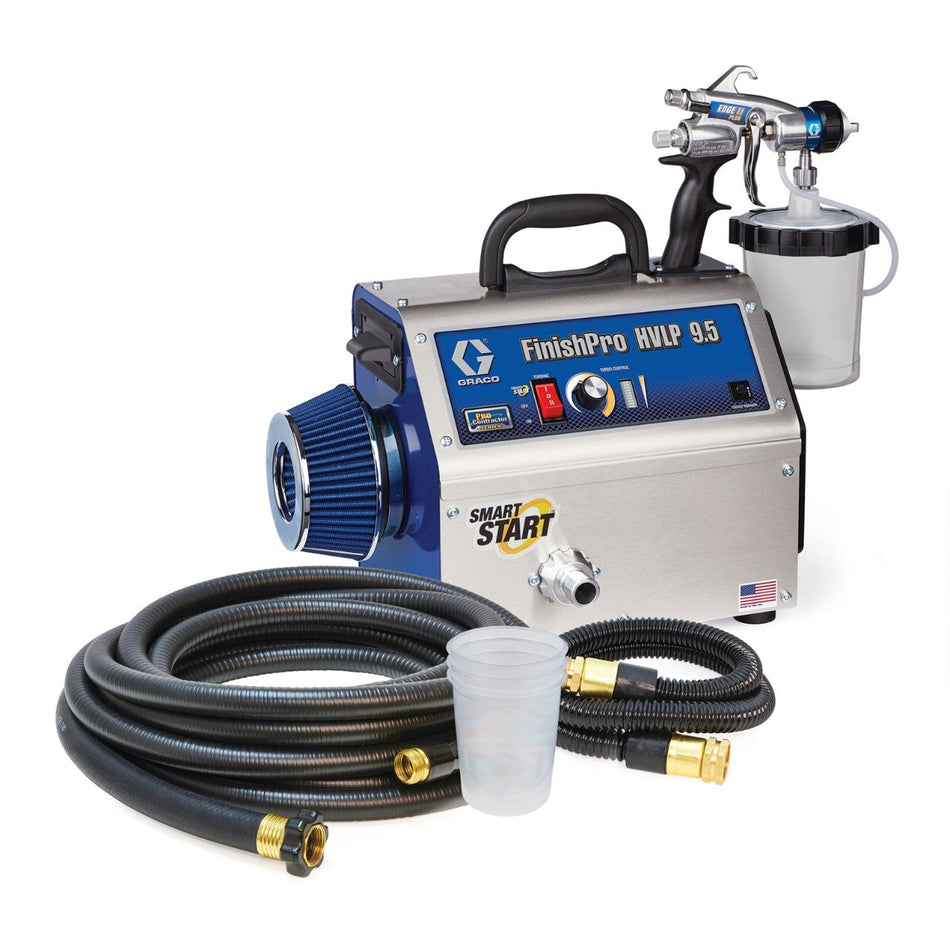 -27%
-27%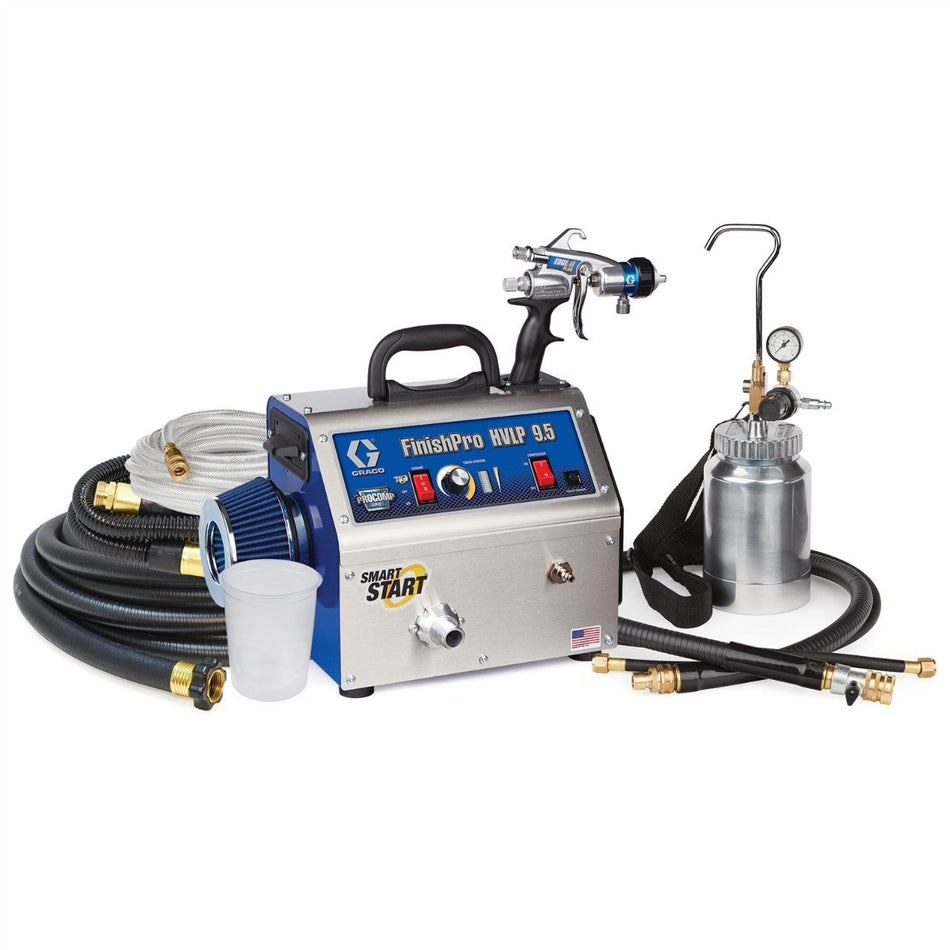 -23%
-23%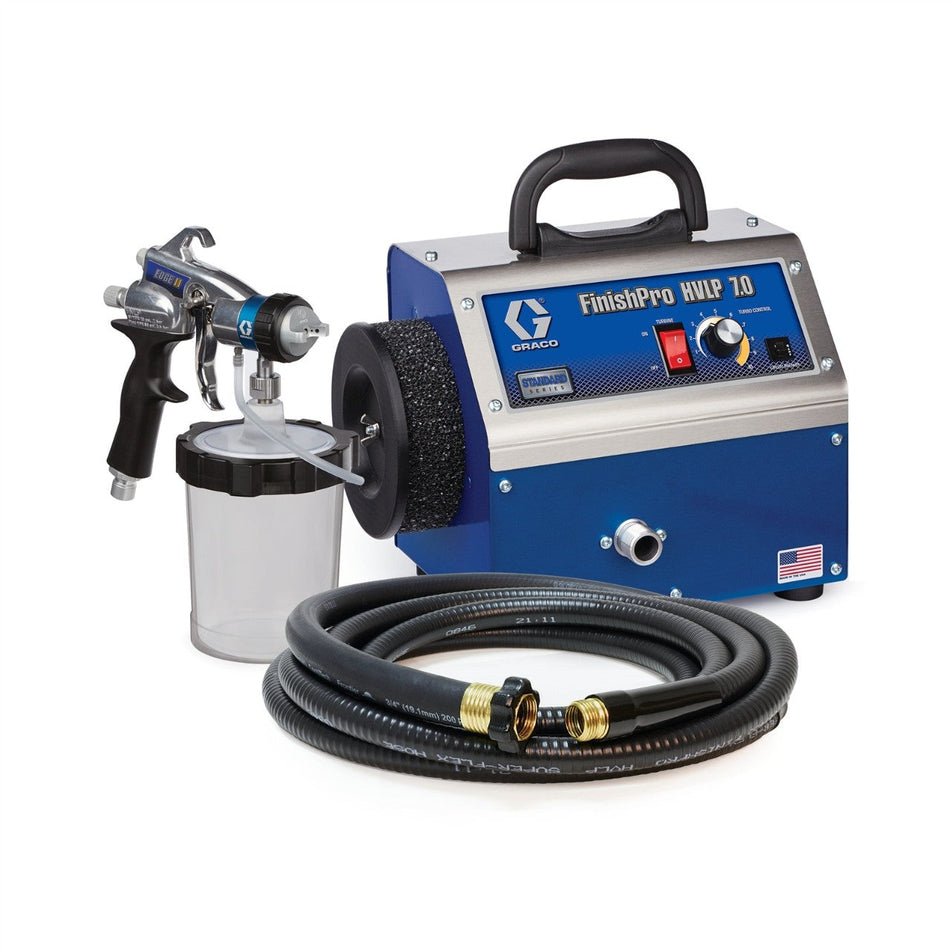 -27%
-27%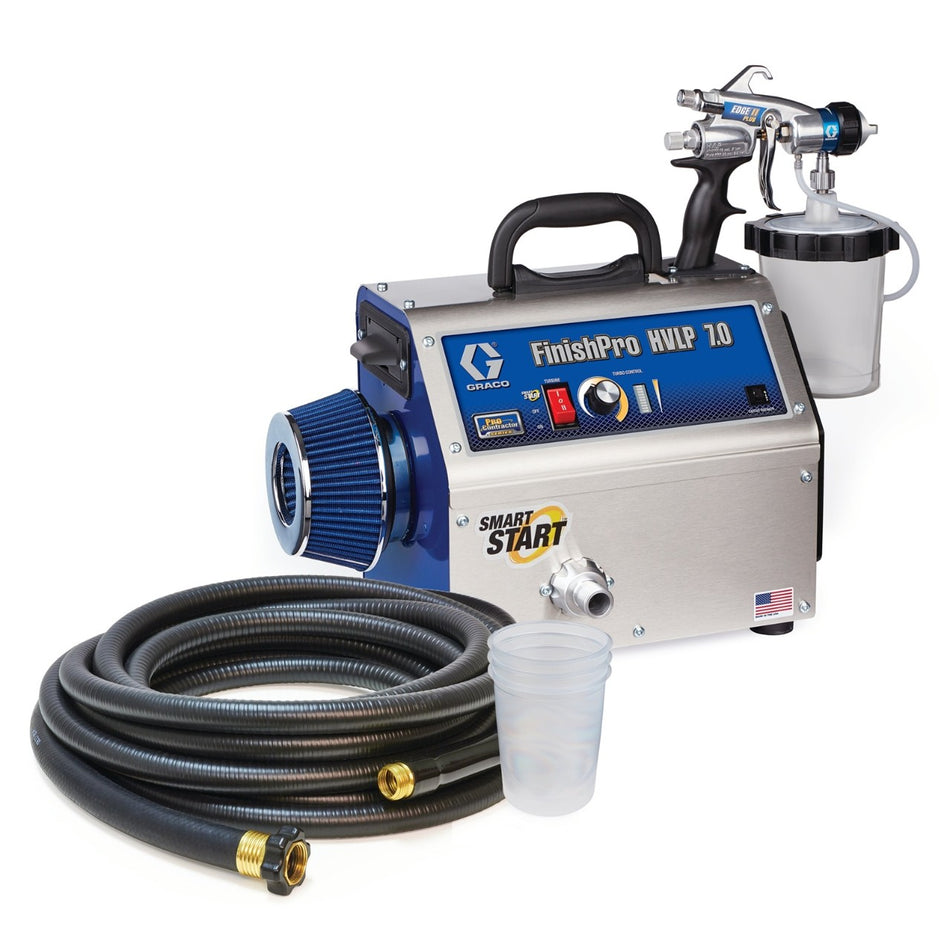 -27%
-27%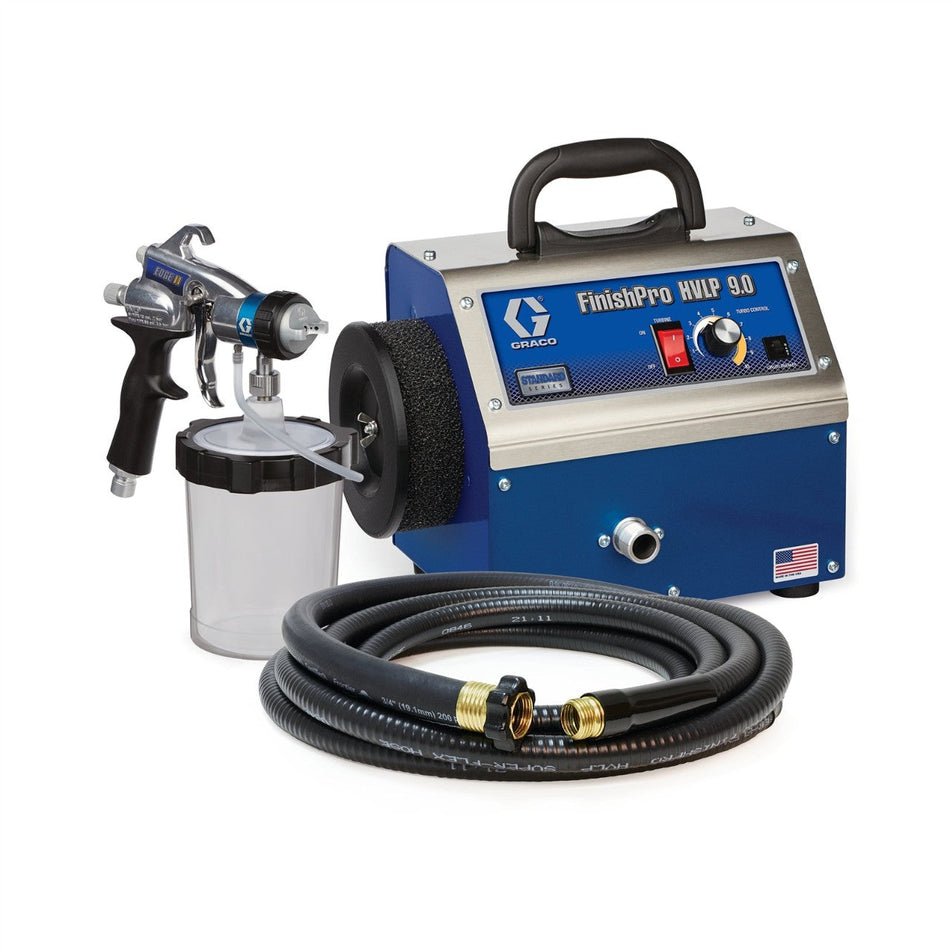 -27%
-27%
