
4 produits
-
-
-
 -12 %
-12 % -
4 produits
Intumescent paint looks like ordinary paint. When it is exposed to heat or flame, it swells into an insulating foam or char layer that slows flame spread over the surface.
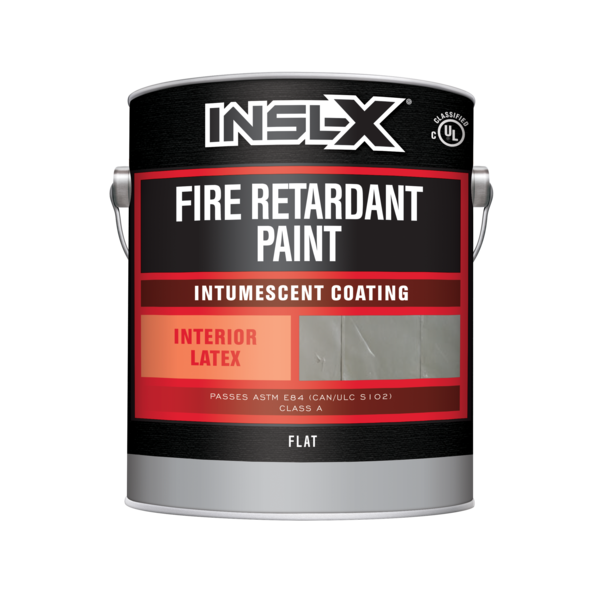
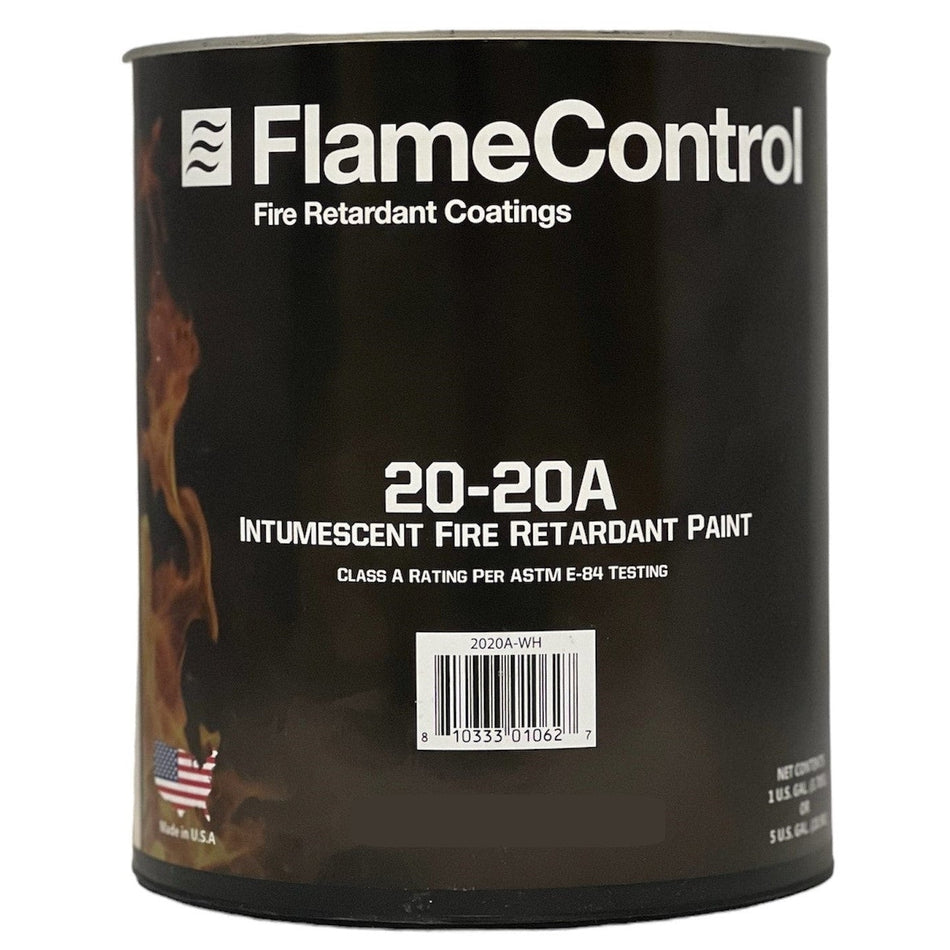
Class A is the best flame spread class in the ASTM E84 surface burning test, with a flame spread index of 0 to 25. INSL-X FR-210 lists a flame spread of 0 and smoke developed of 35. Flame Control 20-20A lists 5 and 40 on Douglas fir.
It is the Canadian surface burning test, similar to ASTM E84. It rates how fast flame spreads across a coated surface and how much smoke it makes. INSL-X FR-210 is tested to CAN/ULC S-102 and ASTM E84.
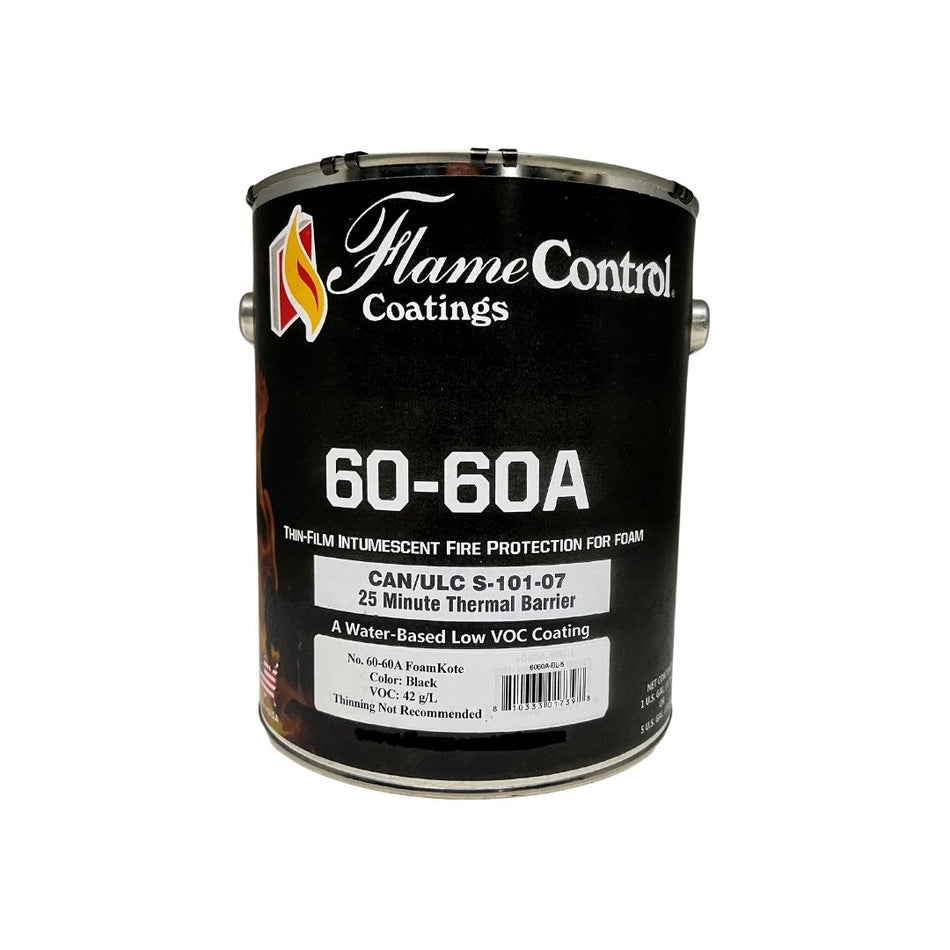
Coverage is low compared to regular paint: INSL-X FR-210 covers about 150 sq ft per 3.79 L per coat, and Flame Control lists 150 to 155 sq ft per gallon for its 20-20A products. A 300 sq ft wall takes about 2 gallons per coat. A rating only applies at the full rate, so don't stretch it.
It depends on the product. INSL-X says a regular acrylic topcoat won't affect the FR-210 flame spread rating. Flame Control 20-20A needs no topcoat for most uses, and its maker suggests a Flame Control topcoat where you need extra washability. An exposed exterior basecoat must have a topcoat.
No. It slows flame spread on the coated surface. It does not replace fire-rated drywall or an hourly fire-resistance assembly. Ratings depend on the tested substrate and application rate, so check with your local fire or building official.